

Buying guide

Best Cooling Mattress Under $1,000

Sleeping hot is usually a materials problem: dense foam traps body heat. Real cooling comes from airflow - coils, open grids, breathable latex - and heat-conducting infusions like gel and graphite, not from a cover that just feels cold in the showroom for thirty seconds.

How we ranked: We ranked cooling performance first, limited to beds that regularly sell under $1,000 in a queen. Prices are placeholders until verified - confirm current sale prices before relying on the cutoff.

#1 · Best Budget Firm Foam
★★★★☆ 4.1

Marketed at athletes for recovery, but really the budget firm-foam pick. Sleeps firmer than its 6.5-7 label suggests (some testers say 9/10), with an on-top feel, excellent edge support for foam, and a low sale price. Best for back and stomach sleepers under about 250 lb; strict side sleepers and heavier bodies should size up. Backed by a 120-night trial and a lifetime warranty.

Type: Memory Foam
Queen Price: $1,098
Trial: 120 nights (30-night break-in required)
Warranty: Lifetime (full replacement yrs 1-10, prorated after)
Back SleeperStomach SleeperCombo Sleeper Light BodyAverage Body
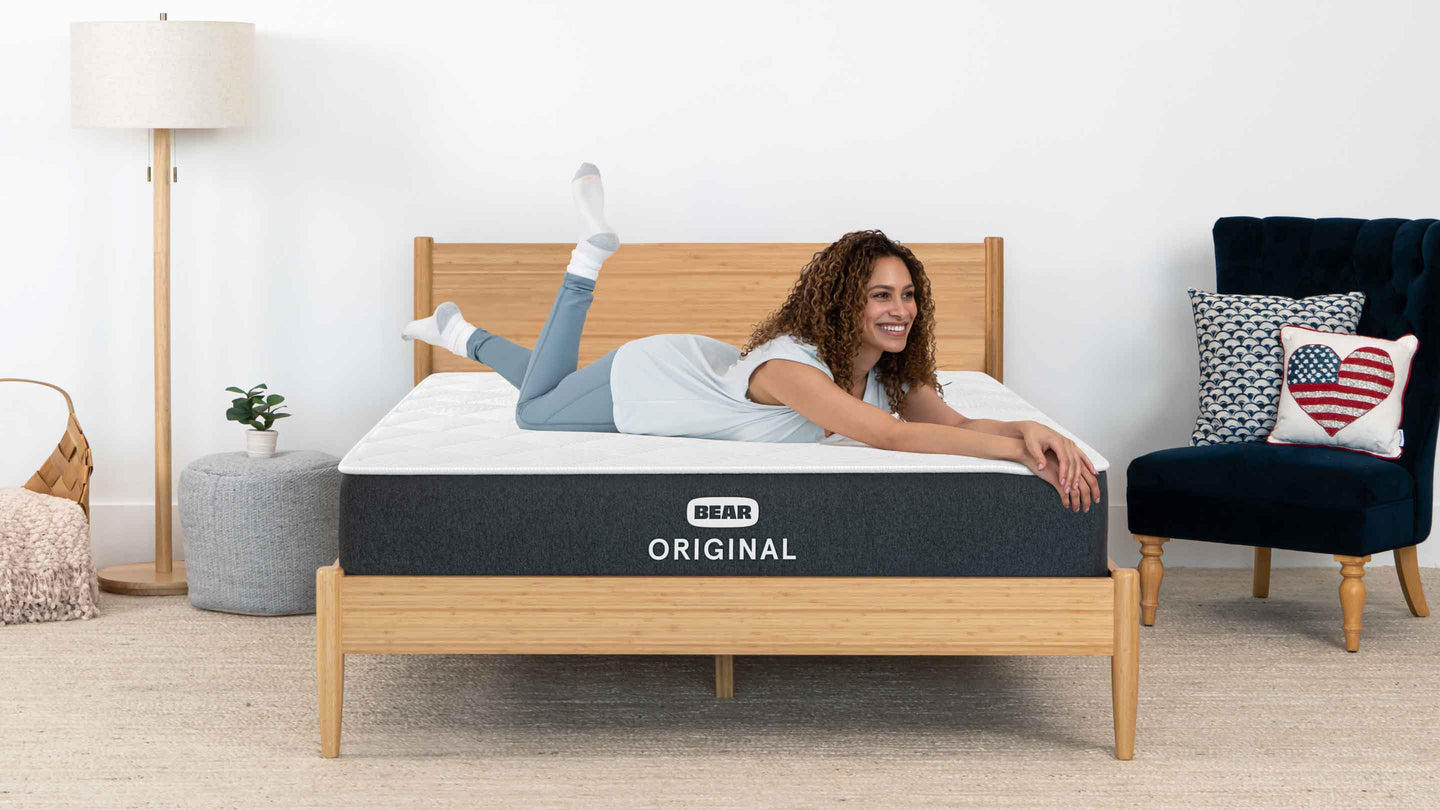
Bear Original mattress
#2 · Best For Heavy Sleepers
★★★★☆ 4.4

Purpose-built for heavier sleepers: reinforced TitanCaliber coils, a genuinely firm surface, and durability the average hybrid can't match. Its luxe sibling dethroned the Helix Plus as a top heavy-person pick in expert testing. Best for back and stomach sleepers and higher body weights who need real lift and no bottoming-out; too firm for lightweight or strict side sleepers. Strong value, with a cooling-cover upgrade for hot sleepers. 120-night trial.

Type: Hybrid
Queen Price: $1,332
Trial: 120 nights
Warranty: 10 years limited
Back SleeperStomach Sleeper Heavy Body
Titan by Brooklyn Bedding Titan Plus mattress
#3 · Best Value Luxury Hybrid
★★★★☆ 4.2

Nectar's sister brand and the value luxury-hybrid pick. DreamCloud labels it Firm but testers land it at medium-firm (6-7): a bouncy, easy-to-move-on coil feel with a quilted cooling top, strong edge support, and low motion transfer. Queen frequently drops to around $649 on sale. Backed by a 365-night trial and a lifetime warranty.

Type: Hybrid
Queen Price: $649
Trial: 365 nights
Warranty: Lifetime (Forever warranty; full replacement yrs 1-10, repair/recover after)
Back SleeperSide SleeperCombo Sleeper Average BodyHeavy Body
DreamCloud Classic Hybrid mattress
#4 · Best For Side Sleepers
★★★★☆ 4.1

Helix's best-seller and their side-sleeper specialist: soft enough at the shoulder, supportive at the hip, with a true medium feel around 6/10. Made-to-order in the USA, with strong edge support and pressure relief. Queen around $999 (the Luxe upgrade runs higher). Note the shorter 100-night trial and 10-year warranty versus rivals offering lifetime terms.

Type: Hybrid
Queen Price: $999
Trial: 100 nights (30-night break-in required)
Warranty: 10 years limited
Side SleeperBack SleeperCombo Sleeper Light BodyAverage Body
Helix Midnight mattress

Why some mattresses sleep hot in the first place

Sleeping hot is almost always a materials problem, and the usual culprit is dense foam. Traditional memory foam is prized for the way it molds to your body - but that same close, all-over contact wraps heat against your skin and has nowhere to send it. The more of your body the foam touches, and the deeper you sink in, the more heat gets trapped. That’s why a plush, deep-hugging all-foam bed is the classic recipe for waking up sweaty.

Real cooling works the opposite way: it either moves air through the mattress or actively pulls heat out of it. Understanding which cooling features actually do that - and which are mostly showroom theater - is the key to not overpaying for a bed that still sleeps hot.

What actually makes a mattress sleep cool

Cooling technology falls into a few categories, and they are not equally effective. Ranked roughly from most to least impactful over a full night:

  • Airflow (the big one). Coils, open grids, and breathable latex leave physical space for air to move through the mattress, carrying body heat away all night long. This is why hybrids and innersprings almost always sleep cooler than all-foam beds - the coil layer is essentially a ventilation system. If cool sleeping is your top priority, a coil-based bed is the safest bet.
  • Heat-conducting infusions. Gel, copper, and graphite are mixed into foam to conduct heat out of it rather than letting it pool. These genuinely help a foam bed shed heat - though they can eventually saturate and are less powerful than raw airflow.
  • Phase-change material (PCM). An engineered material that absorbs excess body heat and feels cool to the touch. PCM is real and effective, but it’s a heat sink - most noticeable in the first thirty to forty minutes as it soaks up your initial warmth. Paired with airflow it keeps working; on its own it fades.
  • Cooling covers. A cover woven from Tencel, cotton, or a cool-to-the-touch fabric feels great when you first lie down and helps wick moisture - but on its own it mostly affects the first few minutes. Treat a cool cover as a bonus, not the main event.

The takeaway experts repeat: airflow beats infusions, and infusions beat covers. A bed that combines a coil core with gel or PCM foam and a breathable cover - which is exactly how the best value cooling beds are built - gives you cooling that lasts the whole night, not just the showroom test.

Firmness and cooling: why softer often sleeps hotter

Here’s a connection most shoppers miss: how firm a mattress is directly affects how cool it sleeps. The softer the bed, the deeper you sink in - and the more of your body ends up surrounded by heat-trapping material with less air circulating around you. A slightly firmer surface keeps you resting more on top of the mattress, where air can move around your body and heat can escape.

That’s why many cooling experts point hot sleepers toward a medium-firm feel, around 6.5 out of 10, as a sweet spot: firm enough to keep you lifted and ventilated, soft enough to stay comfortable. If you’re a dedicated hot sleeper torn between two firmness levels, leaning slightly firmer will usually sleep cooler.

How to get cool sleep on a budget

You do not need to spend a fortune to sleep cool. The single most cost-effective move is to choose a coil hybrid rather than an all-foam bed - the airflow through the coils does the heavy lifting for free, and budget hybrids routinely out-cool pricier all-foam mattresses. Add gel- or graphite-infused comfort foam on top and you’ve got genuine cooling well under $1,000.

A few more budget-friendly cooling tips worth knowing:

  • Your sheets matter more than you think. Polyester traps heat like plastic. Swap to cotton, Tencel, or bamboo sheets and let the mattress breathe - a cheap change that makes any cooling mattress work better.
  • Airflow around the bed helps too. A slatted or breathable foundation lets heat escape out the bottom of the mattress; a solid platform can trap it. A simple bedroom fan compounds the effect.
  • Don’t pay a premium for a cover alone. If a brand’s main cooling pitch is a cool-to-the-touch cover, be skeptical - that’s the feature that fades fastest. Prioritize airflow and infusions instead.

FAQ

What actually makes a mattress sleep cool?

Airflow beats infusions. Coil layers, open grids, and latex move heat away all night; gel and graphite infusions help conduct heat out of foam but can saturate. Cooling covers mostly affect the first few minutes.

Can a cheap mattress really sleep cool?

Yes - coil hybrids and graphite-infused foams under $1,000 routinely outperform pricier all-foam beds on temperature.