
Buying guide

Best Firm Mattress for Back Pain

The research consensus isn't "firmer is better" - it's that a medium-firm, supportive surface that keeps the spine neutral tends to help back pain most. What back sufferers usually need is targeted lumbar support and a surface that resists hammocking, not a board.

How we ranked: We ranked medium-firm and firmer beds (roughly 6 and up on the firmness scale) with strong support scores and zoned or reinforced lumbar construction. This is general product guidance, not medical advice - persistent back pain deserves a clinician's input.

#1 · Best For Heavy Sleepers
★★★★☆ 4.4

Purpose-built for heavier sleepers: reinforced TitanCaliber coils, a genuinely firm surface, and durability the average hybrid can't match. Its luxe sibling dethroned the Helix Plus as a top heavy-person pick in expert testing. Best for back and stomach sleepers and higher body weights who need real lift and no bottoming-out; too firm for lightweight or strict side sleepers. Strong value, with a cooling-cover upgrade for hot sleepers. 120-night trial.

Type: Hybrid
Queen Price: $1,332
Trial: 120 nights
Warranty: 10 years limited
Back SleeperStomach Sleeper Heavy Body
Titan by Brooklyn Bedding Titan Plus mattress
#2 · Best Luxury Innerspring
★★★★☆ 4.3

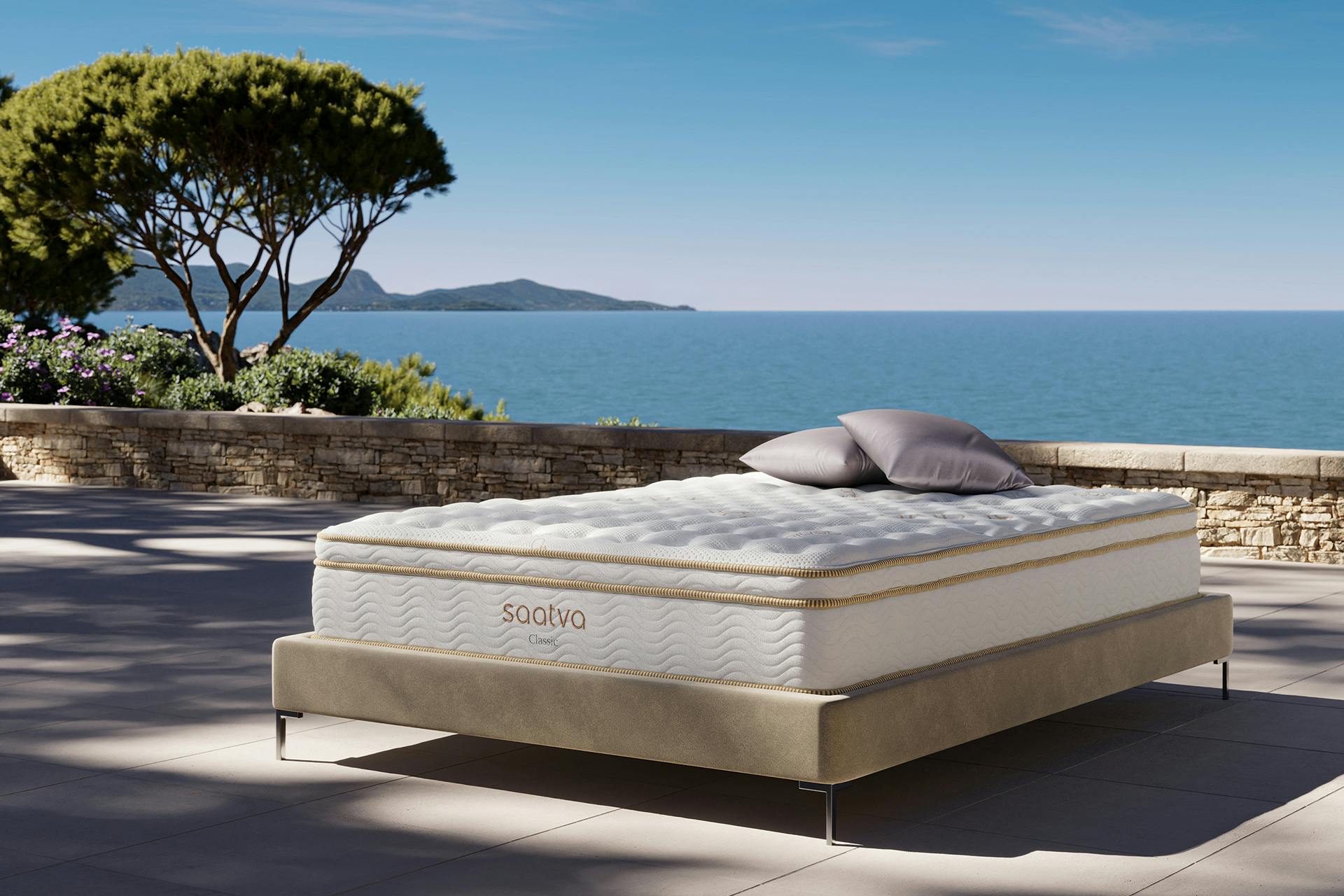
The luxury-hotel innerspring that punches well above its price. Coil-on-coil construction with real chiropractor-approved lumbar engineering, an organic cotton Euro top, and best-in-class edge support, delivered free white-glove with old-mattress removal. Comes in three firmnesses (Plush Soft 3, Luxury Firm ~6, Firm 7.5) and two heights. A 365-night trial and lifetime warranty lead the category. Bouncy and responsive rather than hugging; excellent for back sleepers and couples, weaker on motion isolation.

Type: Innerspring
Queen Price: $1,904
Trial: 365 nights ($99 return processing fee)
Warranty: Lifetime (non-prorated)
Back SleeperStomach SleeperSide Sleeper Average BodyHeavy Body
Saatva Classic mattress
#3 · Best Pillow-top Hybrid
★★★★☆ 4.2

A hotel-style pillow-top hybrid with serious edge support and a breathable Tencel top, in four firmnesses including a Plus build for heavier bodies. A repeated Forbes best-mattress contender: cushioned cloud-like top with real underlying support, strong cooling, and lifetime coverage. Best for back and side sleepers and couples who want luxury feel without Saatva-level pricing. Motion isolation is its weaker area.

Type: Hybrid
Queen Price: $1,799
Trial: 120 nights
Warranty: Lifetime limited
Back SleeperSide SleeperStomach Sleeper Average BodyHeavy Body
WinkBeds WinkBed mattress
#4 · Best Organic / Latex
★★★★☆ 4.1

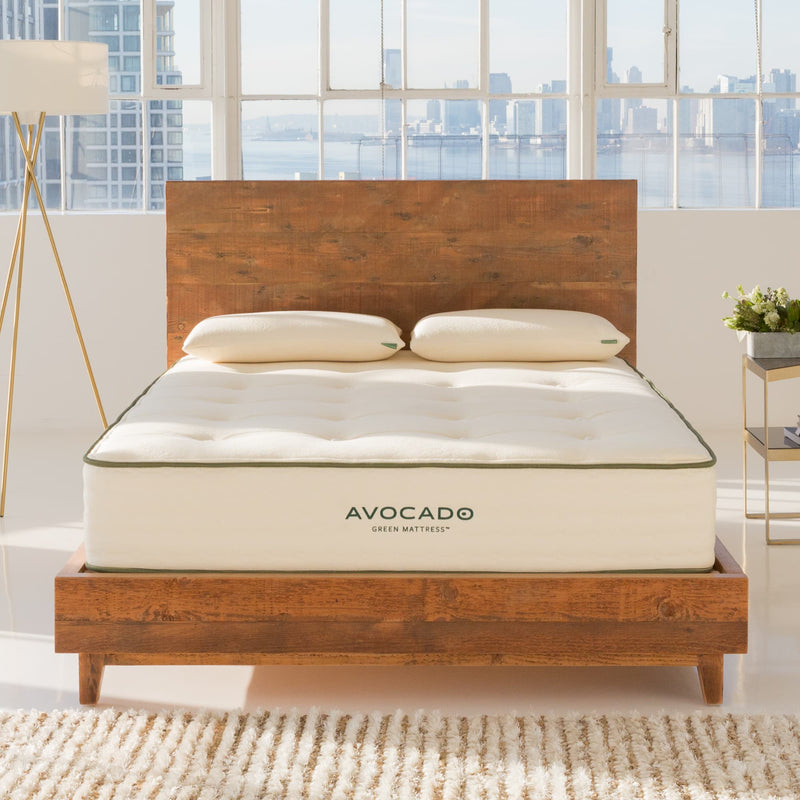
The certified-organic pick: buoyant GOLS organic latex over pocketed coils, wrapped in organic wool and cotton. Naturally cool, responsive with real bounce, and built to outlast nearly everything else here (25-year warranty). Standard build is firm (testers rate ~6.5-7); softer options cost extra. Best for back and stomach sleepers and eco-conscious buyers who want durable natural materials. Firmer feel means strict side sleepers may want the medium or pillow-top upgrade.

Type: Latex
Queen Price: $1,799
Trial: 100 nights (30-night break-in)
Warranty: 25 years limited
Back SleeperStomach Sleeper Average BodyHeavy Body
Avocado Green mattress
#5 · Best Value Luxury Hybrid
★★★★☆ 4.2

Nectar's sister brand and the value luxury-hybrid pick. DreamCloud labels it Firm but testers land it at medium-firm (6-7): a bouncy, easy-to-move-on coil feel with a quilted cooling top, strong edge support, and low motion transfer. Queen frequently drops to around $649 on sale. Backed by a 365-night trial and a lifetime warranty.

Type: Hybrid
Queen Price: $649
Trial: 365 nights
Warranty: Lifetime (Forever warranty; full replacement yrs 1-10, repair/recover after)
Back SleeperSide SleeperCombo Sleeper Average BodyHeavy Body
DreamCloud Classic Hybrid mattress
#6 · Best All-around Value Hybrid
★★★★☆ 4.3

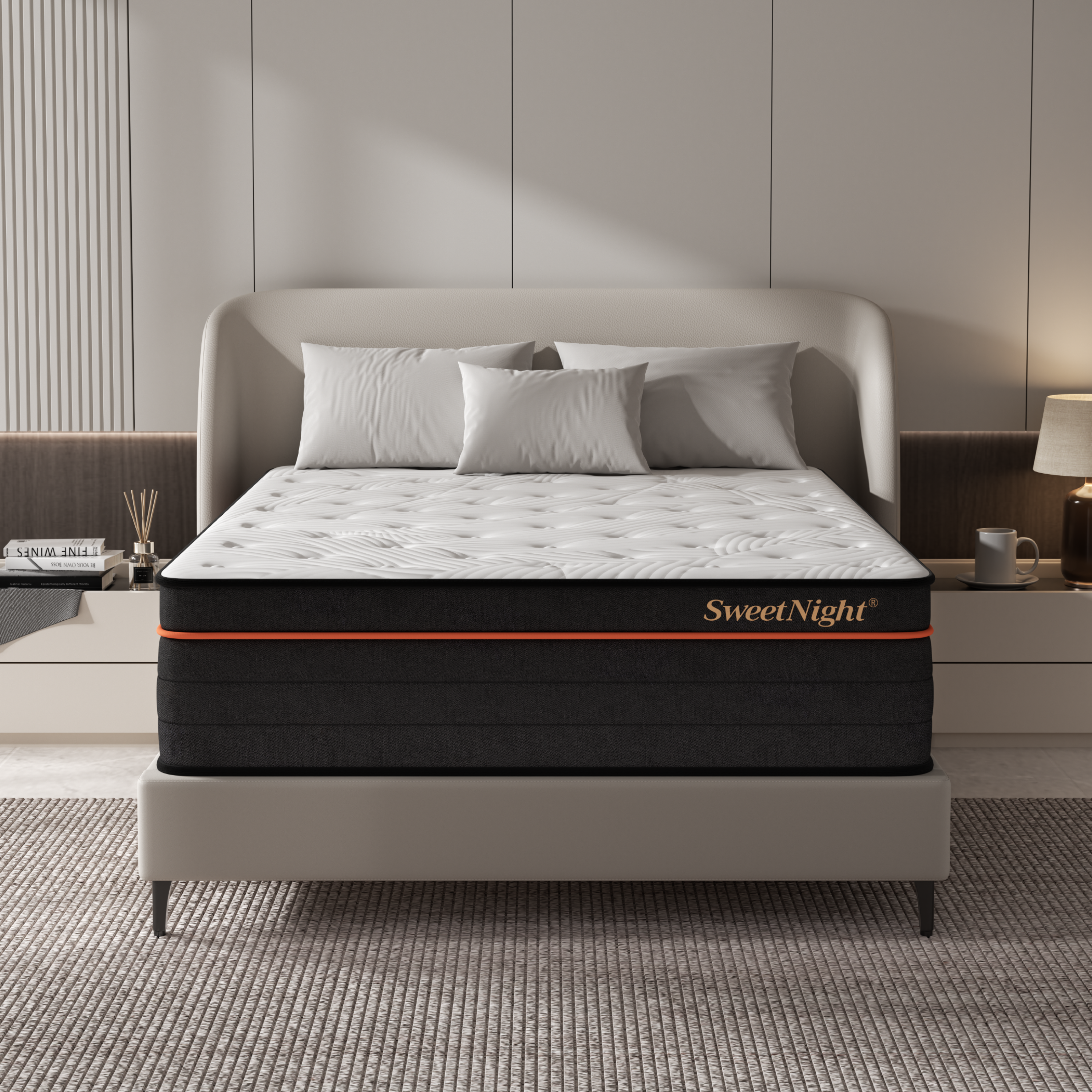
SweetNight's all-around hybrid and their most accessible price, around $320 for a 12" queen on sale (from $499.99). Pairs gel-infused memory foam with individually-wrapped pocket coils for a firmer 7/10 feel with standout edge support and broad bed-base compatibility. Best for back and stomach sleepers who want solid coil support on a budget; its firmness makes it less ideal for side sleepers wanting deep pressure relief. Also sold via Amazon and Walmart.

Type: Hybrid
Queen Price: $319.99
Trial: 100 nights
Warranty: 10 years limited
Back SleeperStomach Sleeper Average BodyHeavy Body
SweetNight Island Hybrid mattress
#7 · Best Budget Firm Hybrid
★★★★☆ 4.0

SweetNight's best-selling pillow-top hybrid, around $360 for a 12" queen on sale (from $549.99). A bouncy, responsive, firmer feel around 6/10: gel memory foam over tempered steel coils, so you rest on top rather than sinking in. Named Best Hybrid by Everyday Health 2026 and HSA/FSA eligible. Best for back and stomach sleepers and value shoppers who want bounce; too firm for most side sleepers. Comes in 10"/12"/14" profiles.

Type: Hybrid
Queen Price: $359.99
Trial: 100 nights
Warranty: 10 years limited
Back SleeperStomach Sleeper Average BodyHeavy Body
SweetNight Twilight Hybrid mattress
#8 · Best For Side Sleepers
★★★★☆ 4.1

Helix's best-seller and their side-sleeper specialist: soft enough at the shoulder, supportive at the hip, with a true medium feel around 6/10. Made-to-order in the USA, with strong edge support and pressure relief. Queen around $999 (the Luxe upgrade runs higher). Note the shorter 100-night trial and 10-year warranty versus rivals offering lifetime terms.

Type: Hybrid
Queen Price: $999
Trial: 100 nights (30-night break-in required)
Warranty: 10 years limited
Side SleeperBack SleeperCombo Sleeper Light BodyAverage Body
Helix Midnight mattress
#9 · Best Budget Cooling Hybrid
★★★★☆ 4.4

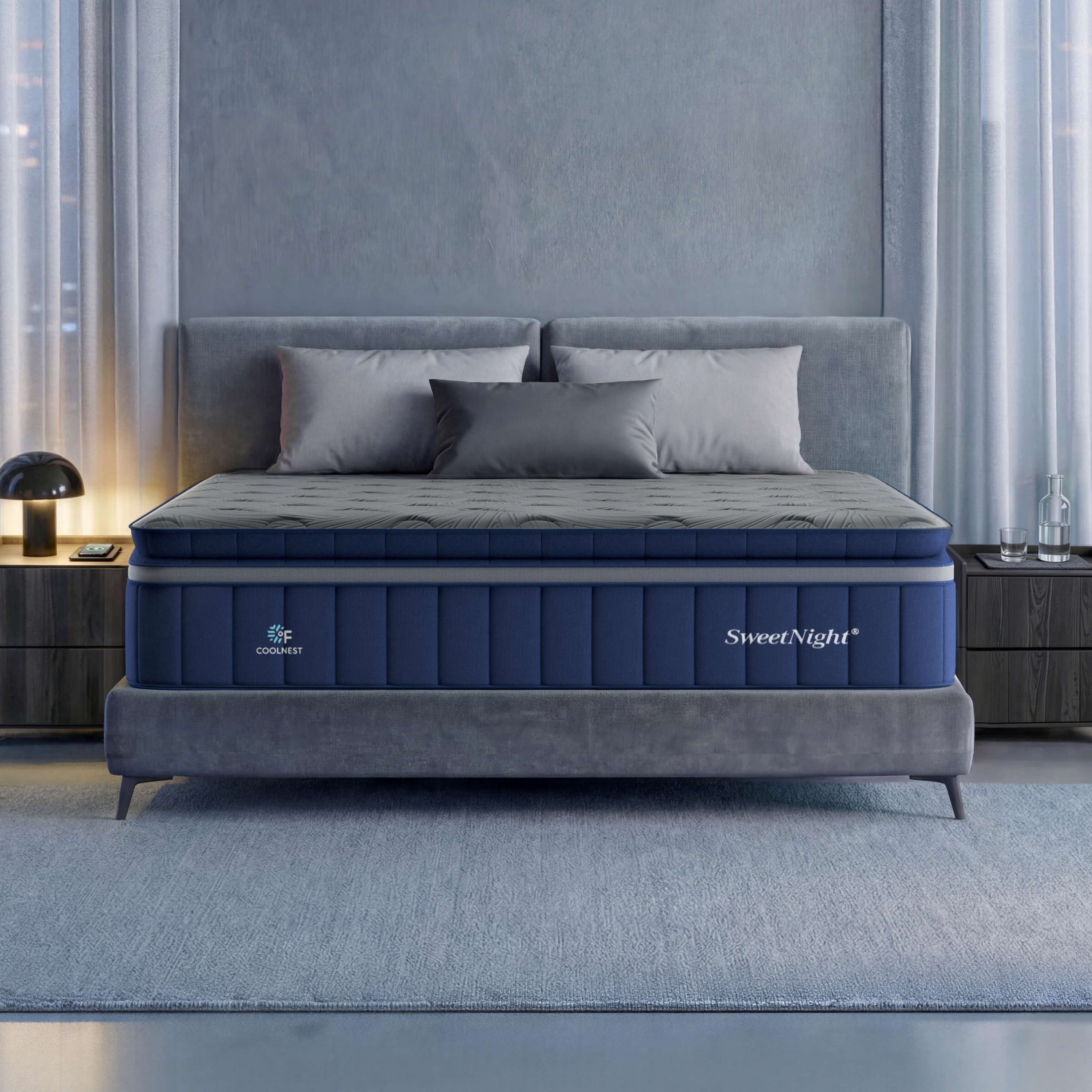
SweetNight's cooling hybrid and the value standout of the lineup: a genuine PCM-plus-gel cooling system and a DuoSense pillow top over reinforced pocketed coils, medium-firm at about 6.5/10, for a queen price that undercuts luxury cooling hybrids many times its cost. ACA-endorsed, CertiPUR-US and OEKO-TEX certified, fiberglass-free. Prices shown are the 12" profile; 14" and 16" run higher and sleep progressively softer. Ships with free pillows.

Type: Hybrid
Queen Price: $499
Trial: 100 nights (30-night break-in recommended)
Warranty: 10 years limited
Side SleeperBack SleeperCombo Sleeper Light BodyAverage Body
SweetNight CoolNest Hybrid mattress
#10 · Best For Couples (Motion Isolation)
★★★★☆ 4.2

SweetNight's motion-isolation specialist, around $400 for a 12" queen on sale (from $499.99), built for light sleepers and couples easily woken by a partner. Uses bamboo charcoal memory foam (known for absorbing movement plus wicking moisture and odor) over pocket springs, for a balanced medium-firm feel that contours the shoulders and hips while the coils hold the spine. Fiberglass-free, CertiPUR-US and OEKO-TEX certified. The pick when minimizing partner disturbance matters most.

Type: Hybrid
Queen Price: $399.99
Trial: 100 nights
Warranty: 10 years limited
Side SleeperBack SleeperCombo Sleeper Light BodyAverage Body
SweetNight Gloaming Hybrid mattress

What the research actually says about firmness and back pain

There’s a widespread myth that the firmer the mattress, the better for your back. The clinical evidence says the opposite of that extreme. A review of nearly 40 studies found that medium-firm mattresses were most consistently linked to better comfort, improved spinal alignment, and reduced back pain. In one controlled trial of 313 chronic low-back-pain patients, medium-firm mattresses reduced pain by about 48% and improved sleep quality by roughly 55% compared with firm mattresses - with the benefits still holding five to six months later.

So the target isn’t “as hard as possible.” It’s a supportive surface, generally in the 5-7 out of 10 range, that keeps your spine neutral while still cushioning your pressure points. A too-hard mattress creates pressure points and can’t accommodate the natural curve of your lower back; a too-soft one lets your hips sink and bows the spine. The sweet spot supports and cushions at the same time.

Why zoned lumbar support is the feature that matters most

If firmness gets you in the right range, zoned support is what actually targets back pain. Your midsection - hips and lower back - is the heaviest part of your body and the most likely to sink out of alignment. Zoned mattresses reinforce the middle third of the bed with firmer coils or denser foam right where your lumbar region rests, while staying softer under the shoulders and legs.

That targeted reinforcement is what keeps the spine in a neutral line all night, instead of letting the pelvis dip into a hammock and strain the lower back. When you see a mattress advertise “zoned support,” a “lumbar zone,” or a reinforced center third, that’s a design built specifically for back pain - and it’s the single most valuable feature to look for.

Which mattress type is best for a bad back?

Type matters because it determines whether the mattress resists the mid-body sag that causes back pain. In order of how well they typically handle back support:

  • Zoned hybrids are the most-recommended choice. The coil core resists sagging and holds the lumbar region up, while foam or latex comfort layers cushion pressure points. The combination of support and pressure relief is exactly what back pain needs, which is why nearly every expert “best for back pain” list is dominated by hybrids.
  • Quality innersprings with strong coil systems and a cushioned top - like a coil-on-coil luxury innerspring - do well for the same reason: coils hold the spine lifted.
  • Memory foam can work, especially for side sleepers with joint pain who need deep contouring, provided it has a supportive high-density core underneath. The risk with cheaper foam is that it softens and lets you sink.
  • Latex offers firm, buoyant support with natural durability - a good option for those who want support without the deep hug of memory foam.

The common thread: you want something that keeps your lower back supported and resists sagging in the middle. That points strongly toward coils.

Sleep position, setup, and when to see a doctor

Your mattress does the heavy lifting, but a couple of adjustments help back pain further:

  • Back sleepers: a pillow behind the knees reduces strain on the lower back by letting the spine settle into its natural curve. Testers with back pain repeatedly report this makes a supportive mattress feel even better.
  • Side sleepers: a pillow between the knees keeps the hips square and the spine neutral.
  • Stomach sleepers: this position is hardest on the back, since it flattens the spine’s natural curve. A firmer surface that keeps the hips from sinking helps, but easing toward back or side sleeping helps more.

One honest and important caveat: a mattress is a sleep-surface fix, not medical treatment. Morning stiffness that eases once you get moving often points to a mattress that isn’t maintaining alignment overnight - a good sign a better mattress will help. But persistent or severe back pain deserves a clinician’s input to rule out underlying causes. This guide is product guidance, not medical advice.

FAQ

Is a firm mattress good for back pain?

Medium-firm surfaces with real lumbar support outperform both very soft and very hard beds in most studies. Neutral spine alignment is the goal, not maximum firmness.

Which mattress type is best for back pain?

Zoned hybrids and quality innersprings tend to do best: coils resist the mid-body sag that strains the lower back.