By MattressDealsOnline Editorial · Updated July 2026
The standard answer is every 7 to 10 years, but that's a starting point, not a rule. What actually matters is whether the bed still supports you - a mattress that has started sagging or leaving you achy needs replacing whether it's six years old or eleven. Here's the real lifespan by type, the signs to watch, and how to squeeze more years out of the bed you have.
How long each mattress type lasts
Material is the biggest factor in lifespan:
Latex: 12-15+ years. The most durable comfort material by far. Natural latex strongly resists impressions and can outlast every other type. See our memory foam vs latex guide for why.
Hybrid: 7-10 years. The coil core holds up well; the foam comfort layers are usually what ages first. Quality construction pushes toward the top of that range.
Innerspring: 6-8 years. Coils lose tension over time and thin comfort layers wear through, so traditional innersprings tend to have the shortest life.
Memory foam: 7-10 years. Highly dependent on foam density - high-density foam lasts near the top of the range, cheap low-density foam softens and sags years sooner.
Your body and use shorten these numbers. Heavier sleepers wear beds faster (see our guide for heavier sleepers), and a bed used every night ages faster than a guest-room mattress.
The signs your mattress is worn out
Trust these over the calendar. It's time to replace when you notice:
Visible sagging or body impressions that don't spring back. A dip deeper than an inch or so means the support has failed and your spine is no longer held level.
Morning aches and stiffness that ease once you're up and moving - a classic sign the bed stopped supporting you overnight.
You sleep better away from home. If hotel or guest beds consistently feel better, yours has degraded more than you realize.
Worsening allergies or asthma. Older mattresses accumulate dust mites and allergens; a flare-up in bed can signal an aging bed.
Noise and motion. A creaking innerspring or a bed that now transfers every movement has lost its structural integrity.
You can feel the layers. Feeling coils or the hard base through the comfort layer means the top has compressed away.
Any two of these together is a strong signal. If you're unsure whether it's wear or just the wrong firmness, our too firm or too soft guide helps you tell them apart.
Why mattresses wear out
A mattress isn't built to last forever, and the decline is physical. Comfort foams soften and take a permanent set, so the cradle that once supported you becomes a sag. Coils gradually lose tension and spring back less. The comfort layer compresses and thins. Individually these are slow, but together they mean the bed stops doing its one job: holding your spine in a neutral line all night. Once that support goes, sleep quality drops measurably, even if the bed still looks fine on the surface.
How to make your mattress last longer
Good care can add a year or two:
Use a proper, supportive foundation. A sagging or under-built base drags the mattress down with it. Make sure slat gaps aren't too wide. See do you need a box spring.
Rotate it every 3-6 months. Turning the mattress 180 degrees evens out wear so you don't hollow out one spot. (Most modern beds are one-sided, so rotate rather than flip unless the maker says otherwise.)
Use a breathable mattress protector. It guards against spills, sweat, and dust mites without sealing off airflow.
Don't always sit on the same edge. Repeated pressure on one perimeter spot breaks it down early.
Let it breathe. Occasional airing helps with moisture and freshness.
Care extends life, but it can't resurrect a worn-out bed - once the support is gone, no amount of maintenance brings it back.
The honest cost math
People delay replacing a mattress because of the up-front cost, but it's worth doing the per-year math. A quality bed at a mid-range price spread over 8-10 years often costs less per night of good sleep than a cheap bed replaced every 3-4 years - and you sleep far better in between. If your current bed is hitting the signs above, replacing it is usually the better investment, not the extravagance it feels like.
Purpose-built for heavier sleepers: reinforced TitanCaliber coils, a genuinely firm surface, and durability the average hybrid can't match. Its luxe sibling dethroned the Helix Plus as a top heavy-person pick in expert testing. Best for back and stomach sleepers and higher body weights who need real lift and no bottoming-out; too firm for lightweight or strict side sleepers. Strong value, with a cooling-cover upgrade for hot sleepers. 120-night trial.
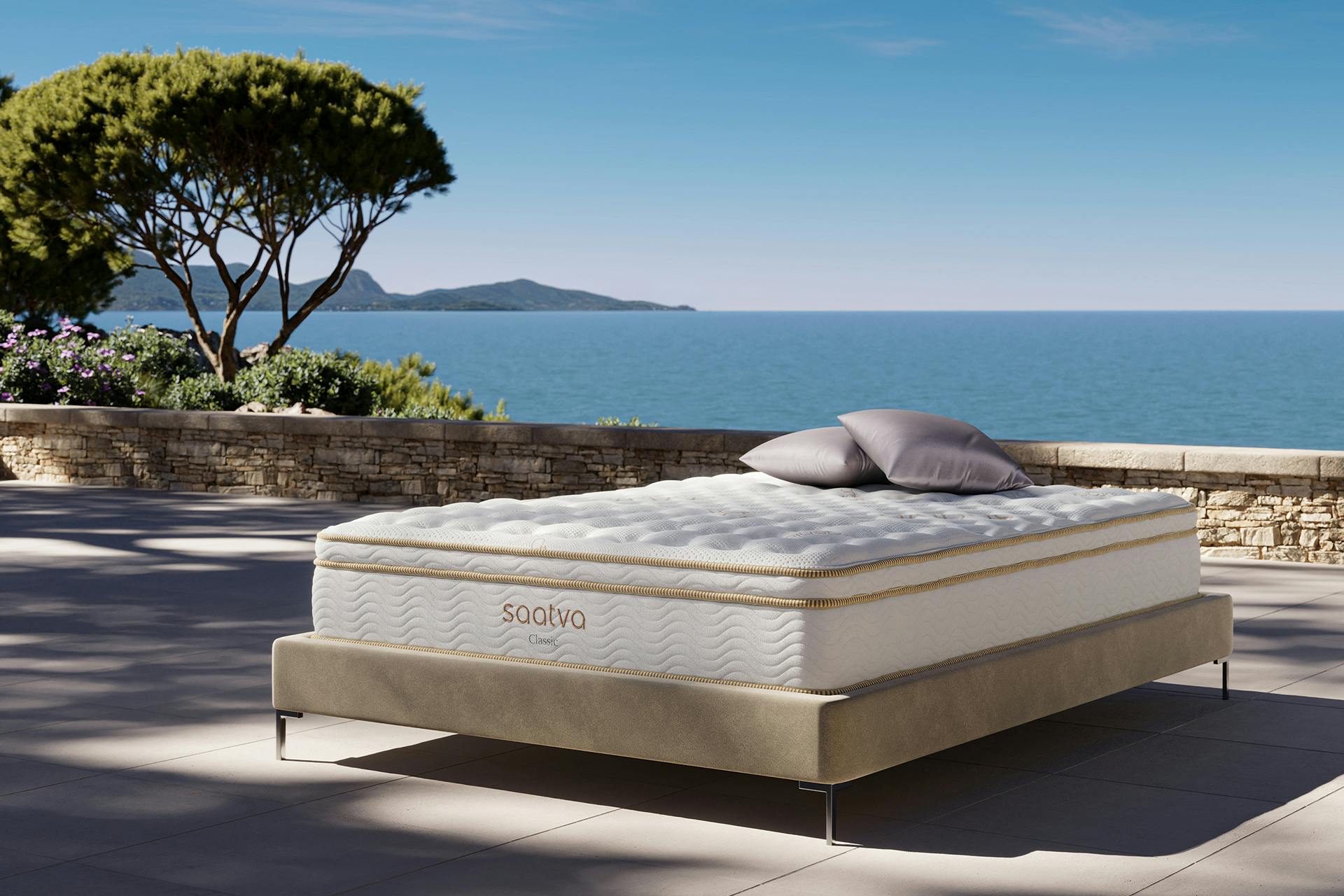
The luxury-hotel innerspring that punches well above its price. Coil-on-coil construction with real chiropractor-approved lumbar engineering, an organic cotton Euro top, and best-in-class edge support, delivered free white-glove with old-mattress removal. Comes in three firmnesses (Plush Soft 3, Luxury Firm ~6, Firm 7.5) and two heights. A 365-night trial and lifetime warranty lead the category. Bouncy and responsive rather than hugging; excellent for back sleepers and couples, weaker on motion isolation.
1 · Plush5-6 · Medium10 · Extra firm
Type: Innerspring
Queen Price: $1,904
Trial: 365 nights ($99 return processing fee)
Warranty: Lifetime (non-prorated)
Back SleeperStomach SleeperSide SleeperAverage BodyHeavy Body
A hotel-style pillow-top hybrid with serious edge support and a breathable Tencel top, in four firmnesses including a Plus build for heavier bodies. A repeated Forbes best-mattress contender: cushioned cloud-like top with real underlying support, strong cooling, and lifetime coverage. Best for back and side sleepers and couples who want luxury feel without Saatva-level pricing. Motion isolation is its weaker area.
1 · Plush5-6 · Medium10 · Extra firm
Type: Hybrid
Queen Price: $1,799
Trial: 120 nights
Warranty: Lifetime limited
Back SleeperSide SleeperStomach SleeperAverage BodyHeavy Body
Most mattresses need replacing every 7 to 10 years. Latex lasts longest (12-15+ years), quality innersprings and hybrids around 7-10, and memory foam roughly 7-10 depending on foam density. Cheaper beds wear out sooner.
What are the signs a mattress is worn out?
Visible sagging or body impressions, new aches and stiffness in the morning, sleeping better in hotel beds, increased allergies, and audible noise from an innerspring. Any two of these together usually mean it is time.
Does a mattress really wear out, or is it a sales pitch?
It genuinely wears out. Foams soften and develop permanent impressions, coils lose tension, and the bed stops holding your spine in alignment. When it no longer supports you, sleep quality drops measurably.
How can I make my mattress last longer?
Use a supportive foundation, rotate it every few months, use a breathable protector, and avoid sitting on the same edge daily. Good care can add a couple of years, but it cannot make a worn-out bed supportive again.