By MattressDealsOnline Editorial · Updated July 2026
Both memory foam and latex are foam-style comfort materials - no coils required - but they feel like opposites once you lie down. Memory foam melts around you with a slow, deep, sink-in hug. Latex pushes back with a lively, responsive spring that keeps you resting on the surface. That single difference drives everything else: cooling, durability, motion, and price. Here's how they compare and which sleeper each one suits.
Note this is a comparison of two materials. If you're really deciding between an all-foam bed and a coil bed, see our separate memory foam vs hybrid guide, which compares construction and support rather than foam feel.
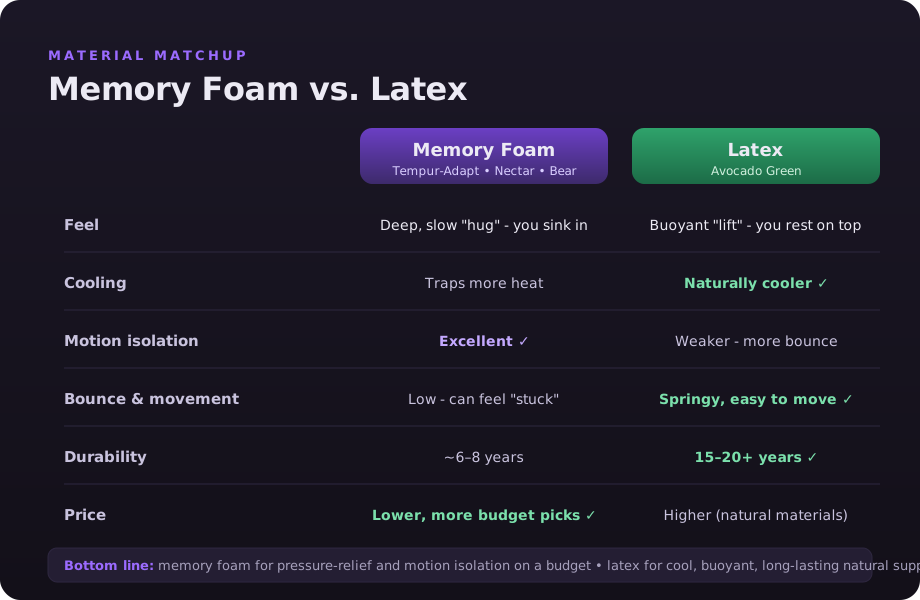
Memory foam versus latex at a glance. Latex leads on cooling, bounce and durability; memory foam leads on contouring, motion isolation and price.
Feel: hug versus bounce
This is the difference you notice in the first ten seconds. Memory foam is viscoelastic - it responds slowly to heat and pressure, molding gradually to your exact shape and holding it. You get a deep, cradling, "in the bed" sensation and press a hand in to leave a slowly-recovering imprint. Latex is elastic and responsive - press a hand in and it springs right back. You get a buoyant, "on top of the bed" feel with natural bounce.
Neither is better; they suit different preferences. If you love the sensation of being hugged and cradled, memory foam delivers it like nothing else. If you feel trapped or stuck in memory foam and want to move freely, latex is liberating.
Pressure relief and support
Memory foam wins on pure pressure relief. Because it contours so precisely, it distributes weight evenly and excels at cushioning the shoulders and hips - which makes it a favorite for side sleepers and anyone with joint pain. Latex offers good pressure relief too, but through a firmer, more supportive buoyancy rather than a deep cradle. For alignment, both can be supportive; latex has a natural edge in keeping you lifted and level, while foam relies on a good high-density support core beneath the comfort layer.
Cooling: latex runs cooler
Temperature is one of latex's clearest advantages. Its open, springy cell structure - especially in aerated Talalay latex with its pinholes - lets air move through the material, so it sleeps naturally cooler. You also sink in less, which keeps more air around your body. Dense memory foam does the opposite: it wraps heat against you and you sink deeper into it. Modern memory foam fights back with gel and graphite infusions and open-cell designs, and these help, but as a rule latex still sleeps cooler. If overheating is your main issue, our guide to sleeping hot goes deeper.
Motion isolation: foam wins
If you share the bed with a restless partner, memory foam is the better motion isolator. It absorbs movement locally, so a partner shifting or getting up barely registers on your side - the deep contour soaks up energy instead of transmitting it. Latex, being bouncy, transfers more motion across the surface. It's not bad, but a light-sleeping couple sensitive to disturbance will usually prefer memory foam.
Durability: latex lasts longest
Latex is the most durable mainstream comfort material, full stop. Natural latex commonly lasts 12 to 15 years or more and strongly resists the body impressions that ruin other beds. Quality memory foam typically lasts 7 to 10 years before it softens and develops impressions, and cheap low-density foam wears out faster still. If longevity and resistance to sagging matter to you - especially for a heavier body - latex is the safer long-term bet. Our mattress lifespan guide covers how long each type lasts and the signs of wear.
Price and eco-friendliness
Memory foam is cheaper. It's petroleum-based and inexpensive to produce, so all-foam beds have the lowest entry prices in the market. Natural latex is harvested from rubber trees and processed in a more involved way, so it costs more up front - sometimes significantly. Two caveats worth knowing: because latex lasts so much longer, its cost per year of use can actually undercut foam; and if eco-credentials matter to you, natural latex is a renewable, biodegradable material, whereas memory foam is a synthetic. Watch for "blended" or "synthetic latex," which is cheaper but loses some of the durability and eco advantages of 100% natural latex.
Which should you choose?
Choose memory foam if you want deep pressure relief and a cradling hug, you share the bed and need strong motion isolation, or you're shopping on a tighter budget. Best for side sleepers, lighter and average bodies, and easily-disturbed couples.
Choose latex if you want a responsive, bouncy feel, you sleep hot, you want the longest-lasting bed, or you prefer natural materials. Best for hot sleepers, combination sleepers who move around, and anyone prioritizing durability.
Still weighing your options? Start with our firmness scale guide to nail down the right feel number first, since both materials come in a range of firmnesses.
The default value memory foam pick. Slightly firmer than typical memory foam with a more responsive, on-top feel rather than a deep sink, and near-perfect motion isolation with a cooling cover that pulls its weight for an all-foam bed. Endorsed by the American Chiropractic Association. Queen regularly sells around $649 on sale (MSRP higher), backed by a 365-night trial and Nectar's Forever warranty.
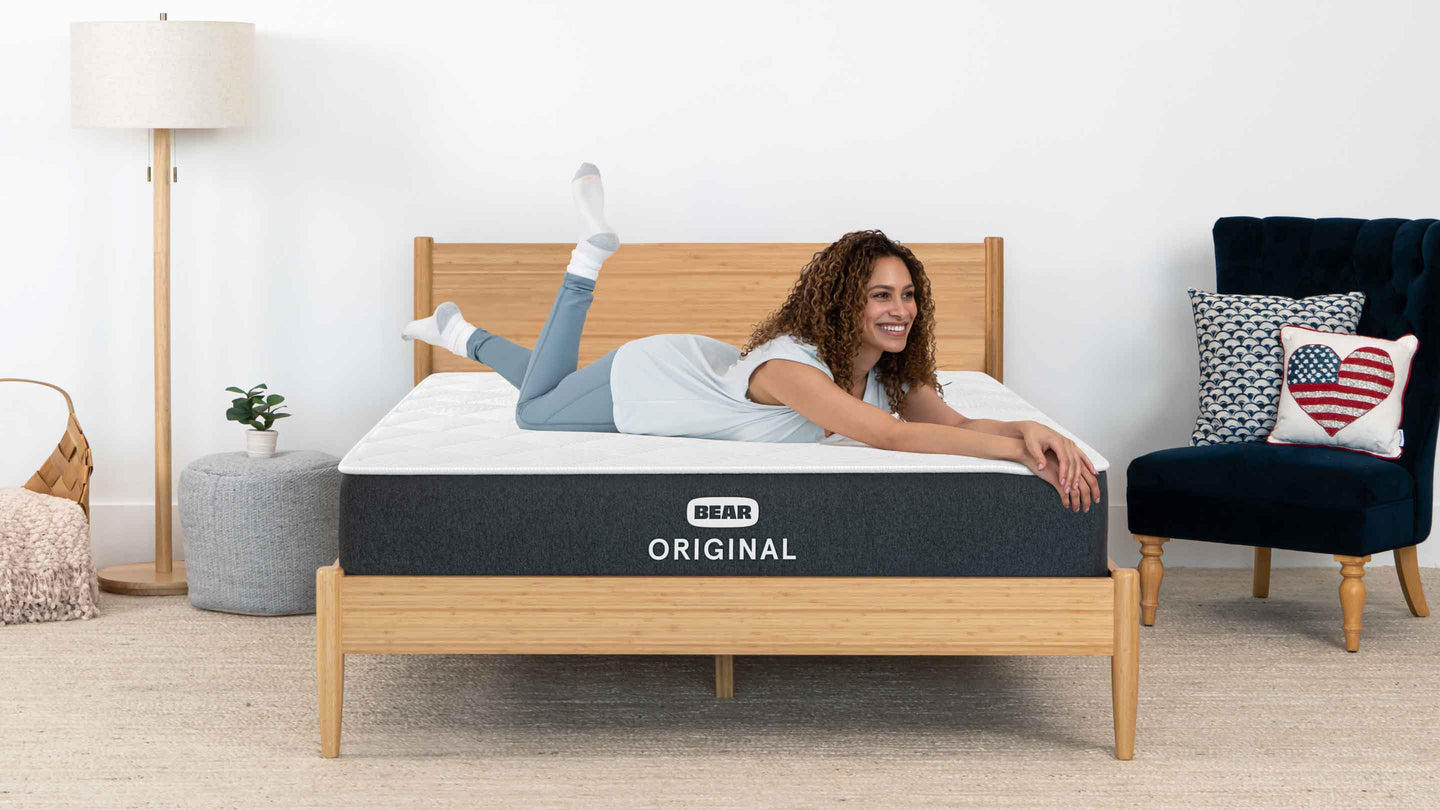
Marketed at athletes for recovery, but really the budget firm-foam pick. Sleeps firmer than its 6.5-7 label suggests (some testers say 9/10), with an on-top feel, excellent edge support for foam, and a low sale price. Best for back and stomach sleepers under about 250 lb; strict side sleepers and heavier bodies should size up. Backed by a 120-night trial and a lifetime warranty.
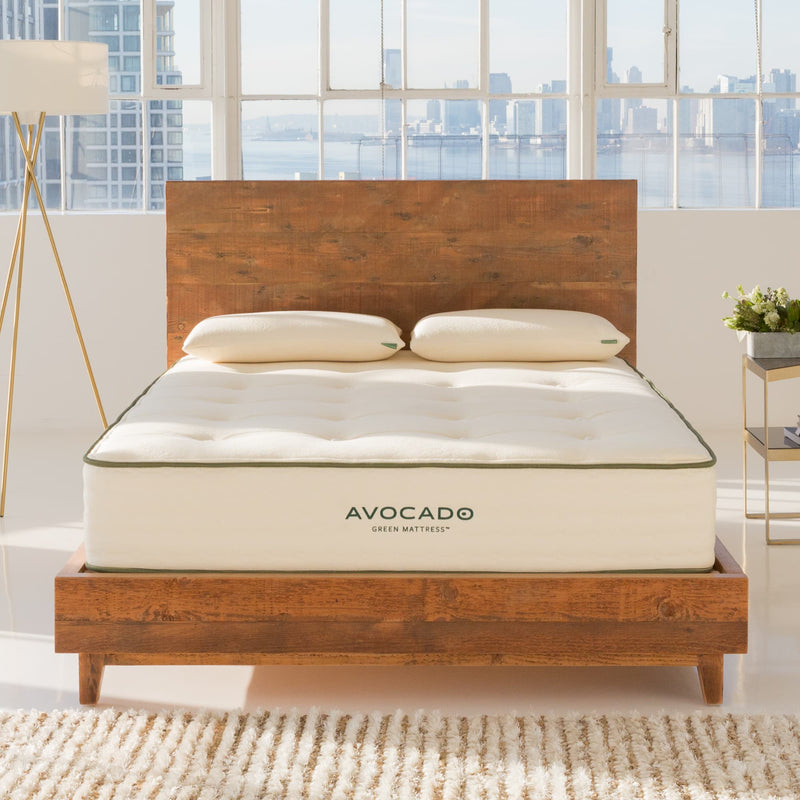
The certified-organic pick: buoyant GOLS organic latex over pocketed coils, wrapped in organic wool and cotton. Naturally cool, responsive with real bounce, and built to outlast nearly everything else here (25-year warranty). Standard build is firm (testers rate ~6.5-7); softer options cost extra. Best for back and stomach sleepers and eco-conscious buyers who want durable natural materials. Firmer feel means strict side sleepers may want the medium or pillow-top upgrade.
What is the main difference between memory foam and latex?
Feel. Memory foam slowly molds and hugs your body for a deep sink-in feel; latex is springy and buoyant, so you rest on top with a responsive push-back. Latex also sleeps cooler and lasts longer, while memory foam isolates motion better and costs less.
Which lasts longer, memory foam or latex?
Latex, by a wide margin. Natural latex commonly lasts 12 to 15+ years and resists body impressions, while quality memory foam typically lasts 7 to 10. Latex is the most durable mainstream comfort material.
Is latex cooler than memory foam?
Yes. Latex has an open, breathable cell structure that sleeps noticeably cooler, whereas dense memory foam traps heat. Hot sleepers who like a foam-style bed usually prefer latex.
Why is latex more expensive?
Natural latex is harvested from rubber trees and processed in a more involved, costlier way than petroleum-based memory foam. You pay more up front but often less per year of use, given how long latex lasts.