By MattressDealsOnline Editorial · Updated July 2026
If you keep waking up sweaty even in a cool bedroom, your mattress is the most likely culprit. The mechanism is simple: dense foam molds closely to your body and traps the heat you give off, with no airflow to carry it away. The more of you the foam touches, and the deeper you sink, the more heat gets held against you. Here's what actually drives mattress heat and how to fix it at any budget.
Why some mattresses sleep hot
Your body sheds heat all night, and a mattress either lets that heat escape or holds it against you. Traditional memory foam is the classic offender. The same close, all-over contact that makes it feel cradling also wraps heat around your skin with nowhere to go. Two factors make it worse:
Density. Dense foam has little internal air space, so heat can't move through it. It builds up right at the surface where your body meets the bed.
Sink. The softer the bed, the deeper you sink, and the more of your body ends up surrounded by insulating foam instead of open air. This is why plush all-foam beds tend to sleep hottest.
Real cooling works the opposite way - it either moves air through the mattress or actively pulls heat out of it. Knowing which features do that, and which are mostly showroom theater, is the key to fixing the problem.
What actually cools a mattress (ranked)
Cooling features are not equally effective. From most to least impactful over a full night:
Airflow - the big one. Coils, open grids, and breathable latex leave physical space for air to move through the bed, carrying heat away all night. This is why hybrids and innersprings almost always sleep cooler than all-foam beds: the coil layer is essentially a ventilation system. If cool sleep is your priority, a coil-based bed is the safest bet.
Heat-conducting infusions. Gel, copper, and graphite are mixed into foam to conduct heat out of it rather than letting it pool. These genuinely help a foam bed shed heat, though they can eventually saturate and are less powerful than raw airflow.
Phase-change material (PCM). An engineered material that absorbs excess heat and feels cool to the touch. Real and effective, but it's a heat sink - most noticeable in the first half hour as it soaks up your initial warmth. Paired with airflow it keeps working; alone it fades.
Cooling covers. A cover woven from Tencel, cotton, or a cool-touch fabric feels great when you first lie down and helps wick moisture, but on its own it mostly affects the first few minutes. Treat it as a bonus, not the main event.
The rule experts repeat: airflow beats infusions, and infusions beat covers. The coolest-sleeping beds combine a coil core with gel or PCM foam and a breathable cover.
Firmness affects temperature too
Here's a link most shoppers miss: how firm a bed is affects how cool it sleeps. The softer the mattress, the deeper you sink, and the more heat-trapping material surrounds you. A slightly firmer surface keeps you resting more on top, where air can circulate and heat can escape. That's why many cooling experts steer hot sleepers toward a medium-firm feel, around 6.5 out of 10. If you're a dedicated hot sleeper torn between two firmness levels, the firmer one usually sleeps cooler. Our firmness scale guide explains how to pick the right number for your body.
It's not always the mattress
Before you replace the bed, rule out the cheaper culprits, because several bedroom factors amplify a hot mattress:
Sheets. Polyester traps heat like plastic. Cotton, Tencel, or bamboo breathe far better - often the single cheapest fix.
Foundation. A solid platform traps heat under the bed; a slatted or breathable base lets it vent out the bottom.
Room and habits. A cooler room, a fan, lighter bedding, and avoiding heavy blankets all compound to help.
Mattress protector. A cheap vinyl-backed protector can completely seal off airflow and undo a cooling mattress. Choose a breathable one.
How to fix a hot mattress on a budget
You don't need to spend a fortune to sleep cooler. In order of cost:
Free to cheap: switch to breathable sheets, add a fan, lower the thermostat, and swap a sealed protector for a breathable one.
Moderate: add a cooling topper with gel foam or latex, and put the mattress on a slatted foundation for under-bed airflow.
The real fix: if the bed is dense all-foam and none of the above is enough, replace it with a coil hybrid. Airflow through the coils does the cooling work for free, and budget hybrids routinely out-cool pricier all-foam beds. For why the construction matters, see memory foam vs hybrid.
If overheating is severe and persistent despite a cool room and breathable bedding, and especially if it comes with night sweats unrelated to your bedroom, it's worth mentioning to a doctor - occasionally the cause is medical rather than the mattress.
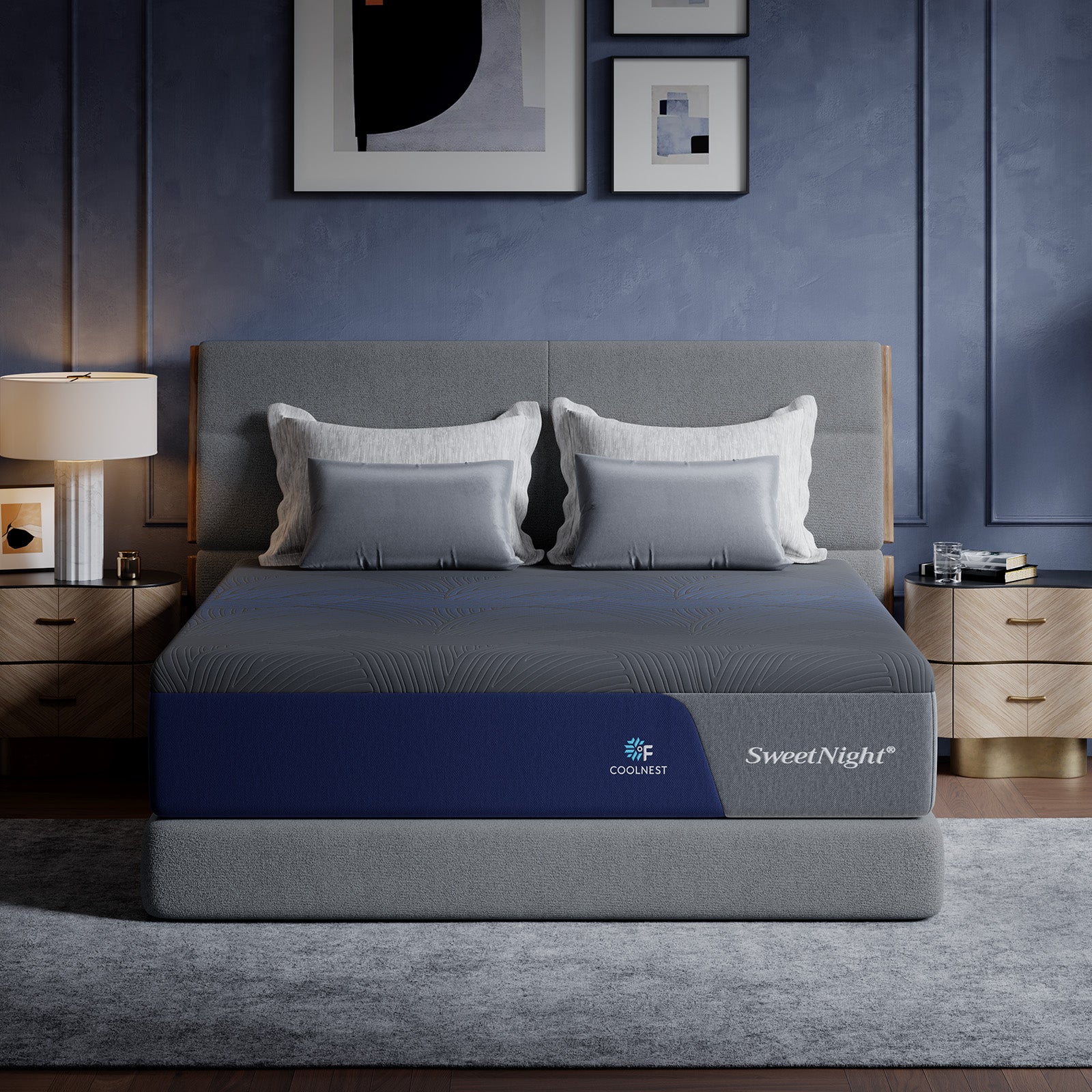
The 2026 flagship upgrade (launched June): steps the CoolNest formula up from triple- to four-stage cooling, swaps in a cooler-to-touch gradient ice silk cover, and upgrades 5-zone to contour-cut 7-zone precision support with firmer lumbar and softer shoulders. Fiberglass-free, CertiPUR-US and OEKO-TEX certified. Queen and King only; prices shown are the 12" profile, rising to about $829.99 for the 16". For hot sleepers who want SweetNight's best temperature control and targeted support.
1 · Plush5-6 · Medium10 · Extra firm
Type: Memory Foam
Queen Price: $529.99
Trial: 100 nights (30-night break-in recommended)
Warranty: 10 years limited
Side SleeperBack SleeperCombo SleeperLight BodyAverage Body
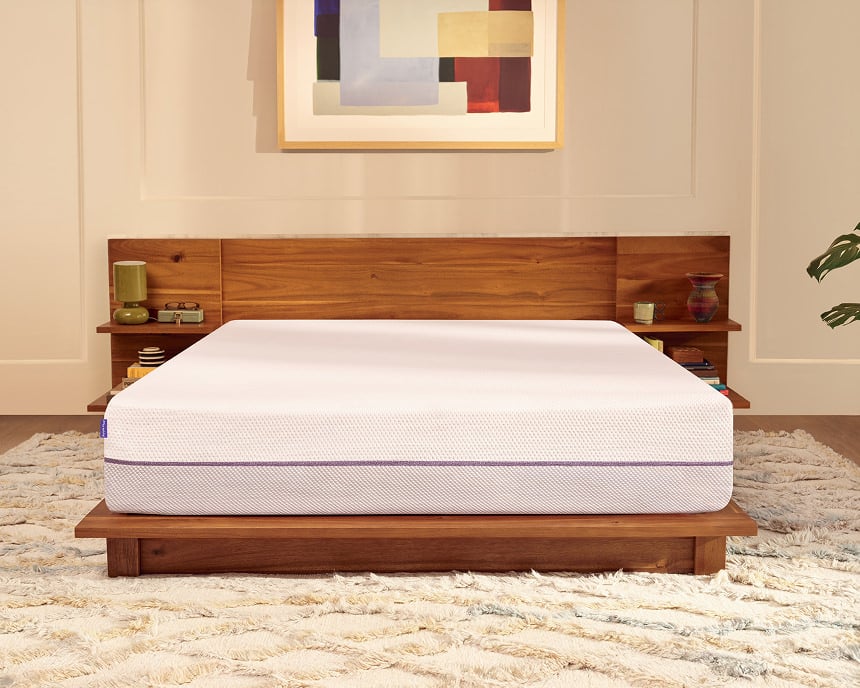
Nothing else feels like the GelFlex Grid: a flexible polymer grid that buckles under hips and shoulders while staying firm under your back, giving instant pressure relief with a signature floating feel and no memory-foam hug. The open grid is genuinely one of the coolest-sleeping surfaces made. The entry Purple Mattress brings that tech at the line's most accessible price. Note the shorter 100-night trial and 10-year warranty. Best for hot sleepers and combo sleepers who hate feeling stuck.
1 · Plush5-6 · Medium10 · Extra firm
Type: Hybrid
Queen Price: $1,199
Trial: 100 nights (21-night minimum before returns)
Warranty: 10 years limited
Side SleeperBack SleeperCombo SleeperLight BodyAverage Body
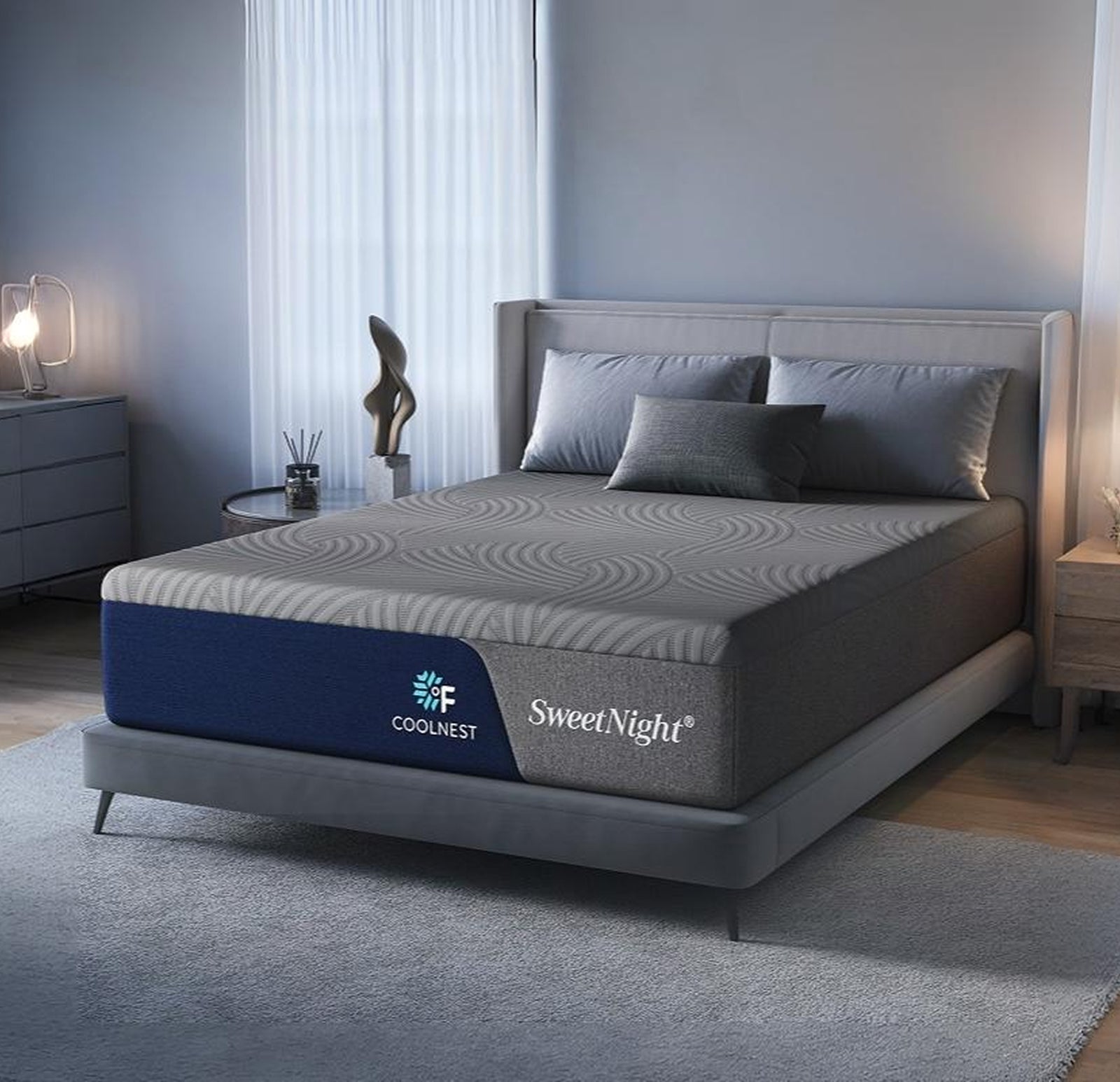
The all-foam cooling pick and the cheapest way into the CoolNest line, around $330 for a 12" queen on sale (from $469.99). Independent labs rated it a perfect 10/10 for motion isolation and 9/10 for cooling: rare for an all-foam bed. A responsive PCMflux top keeps it from feeling stuck, over a 5-zone support base. Medium feel (5-6/10, softens with profile height). Best for hot sleepers and couples on a budget; edge support is its weak point. Ships with free pillows.
1 · Plush5-6 · Medium10 · Extra firm
Type: Memory Foam
Queen Price: $329.99
Trial: 100 nights (30-night break-in recommended)
Warranty: 10 years limited
Side SleeperBack SleeperCombo SleeperLight BodyAverage Body
Usually the mattress. Dense foam wraps heat against your body with nowhere to send it, so you overheat even in a cold bedroom. Sinking deep into a soft all-foam bed makes it worse by surrounding more of you with insulating material.
What kind of mattress sleeps coolest?
Coil-based hybrids and innersprings, because the coil layer lets air move through the bed all night. Latex is the coolest foam-style option. All-foam memory foam beds are the most prone to sleeping hot.
Do cooling covers actually work?
Only briefly. A cool-to-the-touch cover feels great for the first few minutes but does little over a full night. Real, lasting cooling comes from airflow and heat-conducting infusions, not the cover.
What can I do without buying a new mattress?
Switch to breathable cotton or Tencel sheets, use a slatted foundation for under-mattress airflow, add a fan, and try a cooling mattress topper. These help, though a genuinely hot mattress may still need replacing.